Pooper Scooper Buying Guide: How to Choose the Right One in 2026
If you share your home with a dog, a reliable pooper scooper is one of the smartest ten-dollar-plus upgrades you can make to daily life. Picking up waste quickly protects your lawn, your shoes, and your neighbors, and the right tool turns a dreaded chore into a two-second task. This 2026 guide breaks down the styles, materials, and features that actually matter so you stop guessing and start scooping with confidence.
New dog owners often buy whatever sits cheapest on the shelf, then replace it a month later when the hinge snaps. Spending a few minutes understanding your options saves money and frustration over the life of your pet.
Why a Dedicated Pooper Scooper Beats a Bag Alone
Bending over with a thin plastic bag works until your back, your knees, or the weather says otherwise. A long-handled scooper keeps you upright, keeps your hands clean, and gives you leverage on grass, gravel, and mulch where a bag simply smears.
There is a public-health angle too. The American Kennel Club notes that dog waste can carry parasites and bacteria that linger in soil for a year or more. Prompt, complete cleanup is the easiest way to protect kids, other pets, and your water supply.
The Main Pooper Scooper Styles
Before comparing brands, learn the four families of tools. Each suits a different yard and owner.
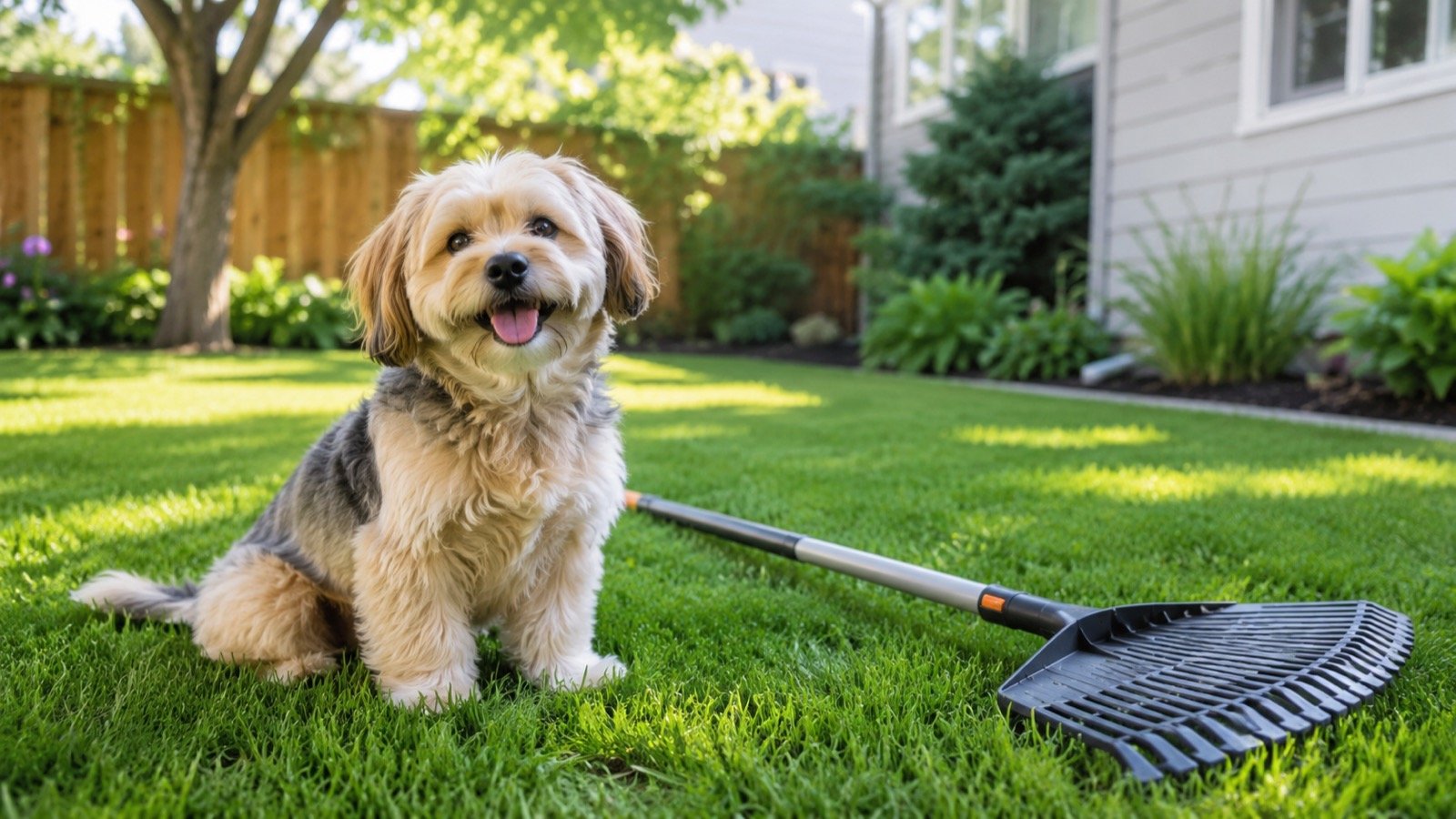
- Rake-and-pan sets: great for large grassy yards and multiple dogs, but bulky to store.
- Jaw or claw scoopers: a spring-loaded clamp grabs waste from any surface with one hand.
- Scoop-with-bag designs: the bag attaches directly, so you scoop and tie in one motion.
- Mini travel scoopers: compact clips that ride on the leash for walks and parks.
For most single-dog households, a jaw-style model or a Pooper Scooper with Bag hits the sweet spot of clean hands and quick cleanup on any terrain.
Match the Tool to Your Surface
Short grass and concrete are forgiving; almost anything works. Long grass, gravel, and bark hide waste and defeat flat trays, so a clamping jaw with tines performs far better. If you walk on sidewalks, a travel clip beats a full-size rake every time.
Materials and Build Quality That Last
Handles come in aluminum, steel, and reinforced plastic. Aluminum resists rust and stays light, which matters when you are reaching across a yard. The jaw or tray should flex without cracking in cold weather, and metal springs should be coated to avoid corrosion.
Check the hinge first. It is the part that fails, so look for a stainless spring and a replaceable or sealed pivot. A lifetime of daily snaps adds up fast.
Pooper Scooper Comparison Table
| Style | Best For | Hands Stay Clean? | Storage | Typical 2026 Price |
|---|---|---|---|---|
| Rake & pan | Big yards, multi-dog | Yes | Bulky | $25–$45 |
| Jaw / claw | Any surface, one hand | Yes | Compact | $18–$35 |
| Scoop with bag | Fast tie-and-toss | Excellent | Compact | $20–$30 |
| Travel clip | Walks, parks | Yes | Pocket-size | $8–$15 |
How Do You Keep a Pooper Scooper Clean and Odor-Free?
Hygiene is where cheap tools fall apart. Rinse the business end after each use, and once a week give it a longer clean so bacteria never build up.
- Spray the jaw or tray with a hose to clear debris.
- Soak for five minutes in a diluted vinegar or pet-safe disinfectant solution.
- Scrub the hinge and tines with an old brush.
- Rinse, then air-dry in sunlight, which naturally reduces odor and germs.
- Store it off the ground so grit does not jam the spring.
One practical tip from years of daily cleanup: keep a small caddy of bags attached to the handle. You will never again walk back inside for supplies, and you will scoop immediately instead of “later.”
Budget vs. Premium: Where to Spend
You do not need the most expensive tool, but the very cheapest usually costs more over a year. Spend on the hinge, the handle length, and a design that keeps your hands clean. Skip gimmicks like built-in lights you will never use. A dependable all-rounder like a quality Pooper scooper from a specialist brand outlasts three bargain-bin replacements.
If you hire out yard work, ask your quality service providers whether cleanup is included, and keep your own scooper on hand for the days between visits.
Frequently Asked Questions
How often should I scoop my yard?
Daily is ideal, especially in warm months when waste breaks down and attracts flies fast. At minimum, scoop every two to three days, and always before mowing.
Can I compost dog waste I collect?
Not in a standard garden compost used for food crops. The U.S. EPA advises keeping pet waste out of ordinary compost because pathogens survive typical home temperatures. Bag it and use the trash, or a dedicated pet-waste digester.
What length handle should I buy?
Choose a handle that lets you stand straight. Most adults are comfortable with 30 to 36 inches; taller owners should size up to protect their back.
Is a metal or plastic scooper better?
Metal handles last longer and resist cold-weather cracking, while reinforced plastic trays are lighter and quieter. Many of the best tools combine a metal handle with a durable composite scoop.
Common Mistakes First-Time Buyers Make
Most regret traces back to a handful of avoidable errors. Knowing them up front saves money and keeps your cleanup routine from stalling in week one.
The biggest mistake is buying purely on price. A three-dollar savings today often becomes a replacement purchase within months, so the “cheap” tool ends up the expensive one. The second mistake is ignoring your actual terrain; a flat tray that works on a neighbor’s concrete patio may be useless on your gravel-and-mulch yard.
Owners also forget about storage and handle length. A tool that is too short wrecks your back, and one with no hanging hole gets left in the dirt where grit jams the hinge. Finally, many people buy a scooper but never buy matching bags in bulk, so they run out and fall back on unreliable grocery sacks.
Matching Features to Your Dog’s Size
A small breed produces small, firm waste that almost any jaw handles. A large or senior dog, or one on a rich diet, produces more and softer waste that demands a wider jaw and a bag with real capacity. Size the whole system to your largest dog, not your smallest, and every cleanup stays quick.
A Quick Pre-Purchase Checklist
Before you add any scooper to your cart, run through this short list. It takes a minute and prevents nearly every common regret.
- Handle long enough to use standing upright for your height.
- Coated metal or reinforced components at the hinge and jaw.
- A design that keeps your hands completely clear of waste.
- Proven performance on your specific ground surface.
- A hanging hole or stable rest for clean, dry storage.
- Matching bags available in bulk from the same maker.
Tick every box and you will almost certainly buy a tool you keep for years rather than months. That is the real measure of a smart purchase in 2026: not the sticker price, but the cost per year of dependable, hands-clean cleanup.
Final Thoughts
The right pooper scooper fits your yard, keeps your hands clean, and survives daily use for years. Decide on a style, prioritize a solid hinge and the correct handle length, and build a quick rinse-and-store habit. Do that, and cleanup stops being a chore you avoid. Ready to upgrade? Pick a durable scooper today and make 2026 the year your yard finally stays spotless.