Warehouse Storage in Saudi Arabia: 7 Keys to Smarter Ambient Storage
Efficient warehouse storage in Saudi Arabia keeps the Kingdom’s shops stocked, its factories supplied, and its e-commerce orders moving. Yet many businesses still treat warehousing as dead space, a place to dump pallets and forget them. In 2026, that mindset quietly drains money. Done well, ambient and dry warehousing becomes a competitive advantage.
This guide breaks down seven practical keys to getting warehouse storage right, with a focus on non-refrigerated goods that make up the bulk of what Saudi businesses actually store.
Why Warehouse Storage in Saudi Arabia Is Booming
The Kingdom is positioning itself as a regional logistics hub, backed by heavy investment in ports and distribution corridors overseen by the Saudi Ports Authority (Mawani). As trade volumes rise, so does demand for organised, accessible warehouse space near major cities.
For most goods, that space is ambient or dry, not refrigerated. Understanding the difference, and using each correctly, is the first step to warehousing that pays for itself.
Ambient versus dry storage
Ambient storage holds goods at natural indoor temperature with good ventilation, suited to items that tolerate normal conditions. For businesses in the east, Ambient Storage in Dammam offers cost-effective space for packaged, shelf-stable products. Dry storage adds humidity control to protect moisture-sensitive goods; Dry Storage in Jeddah keeps items like textiles, paper, and electronics free from damp.
The 7 Keys to Smarter Warehouse Storage
These principles apply whether you store a few pallets or fill a large unit. Each one removes friction, cost, or risk.
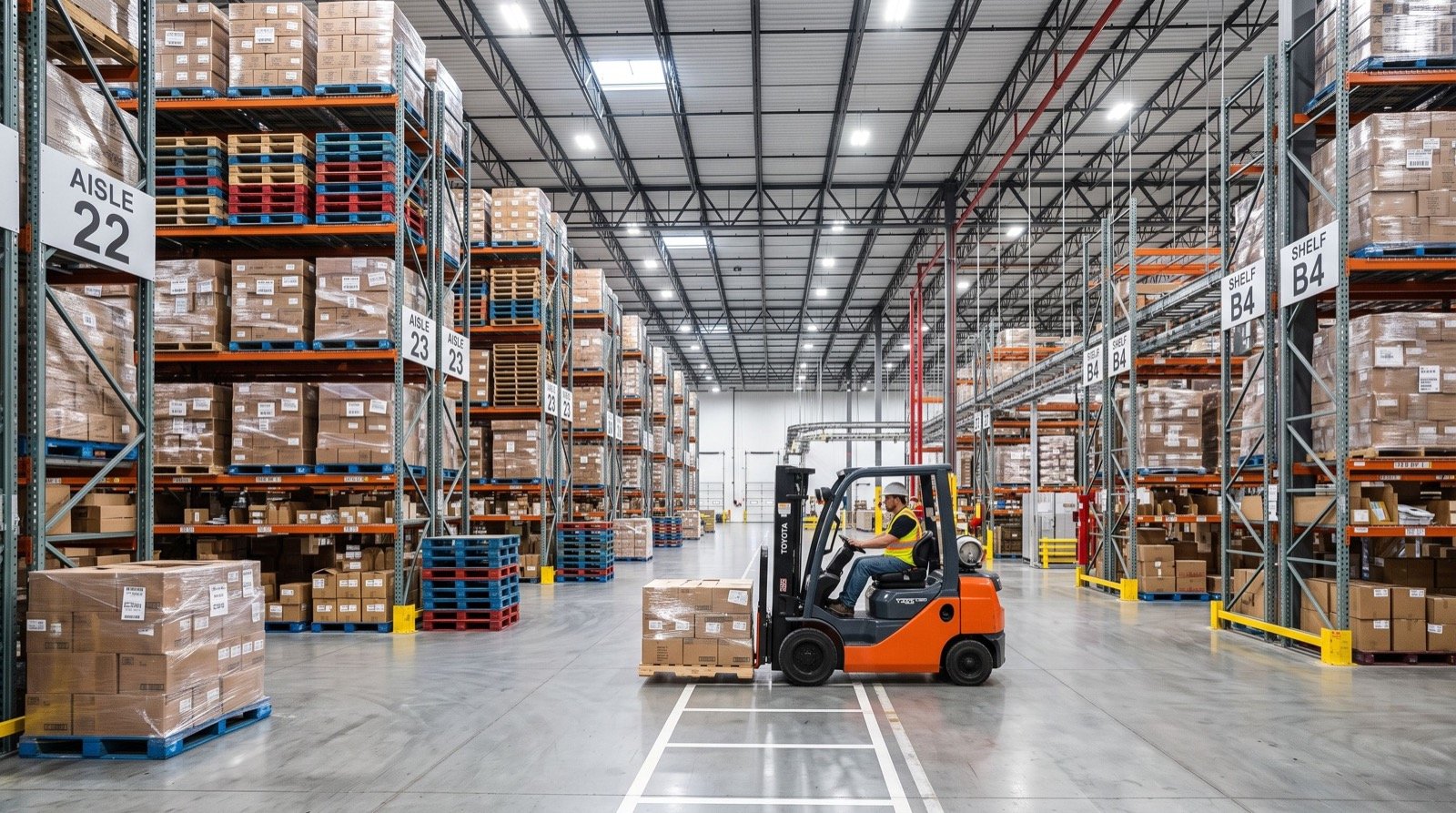
- Plan your layout before stocking. Map aisles, zones, and pick paths so goods flow logically from receiving to dispatch.
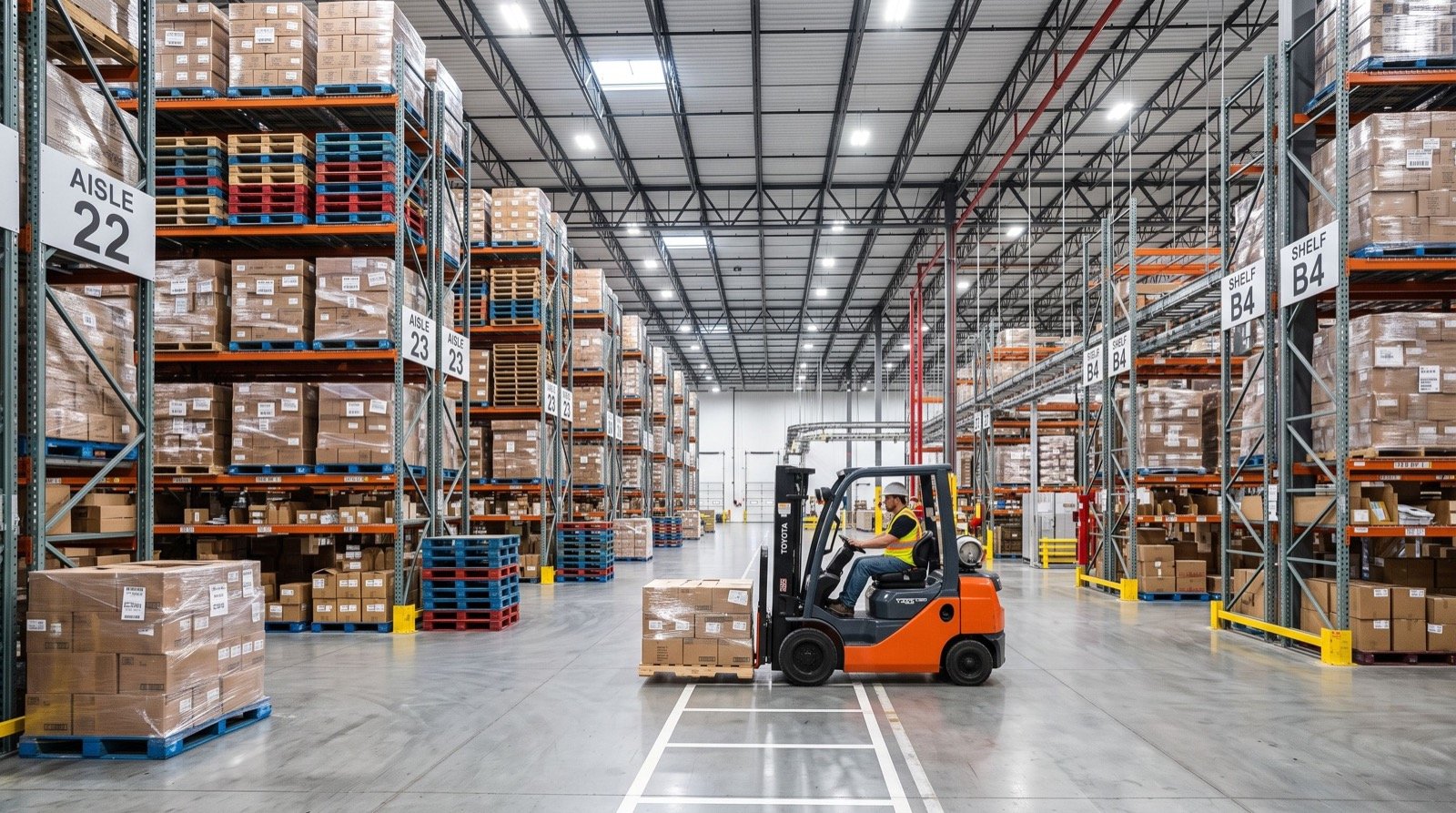
- Use vertical space. Racking multiplies capacity without renting more floor area.
- Separate fast and slow movers. Keep high-turnover stock closest to the dispatch door.
- Label and barcode everything. A consistent system turns a chaotic search into a ten-second task.
- Control humidity where it matters. Move moisture-sensitive goods into dry storage, not general ambient space.
- Review stock regularly. Cycle counts catch errors and prevent dead stock from piling up.
- Choose the right partner. Security, access hours, and flexibility matter as much as price.
Matching Goods to the Right Warehouse Space
Over-conditioning wastes money and under-conditioning ruins stock. The table below helps you place common goods in the right environment.
| Goods | Best Environment | Why |
|---|---|---|
| Canned and packaged food | Ambient | Shelf-stable, tolerates room temperature |
| Textiles and paper goods | Dry | Humidity causes mould and warping |
| Furniture and hardware | Ambient | Durable, low sensitivity |
| Consumer electronics stock | Dry | Moisture corrodes components |
| Seasonal and promotional items | Flexible ambient | Demand rises and falls sharply |
Managing Seasonal and Overflow Stock
Saudi retail runs on seasonal peaks, from Ramadan promotions to back-to-school rushes. Holding peak inventory in your main premises all year is expensive. Overflow warehousing solves this.
A simple seasonal workflow
- Forecast demand and pre-position stock a month before each peak
- Rent flexible space that scales up and down with the season
- Return unsold seasonal lines to storage instead of discounting in panic
- Keep a small buffer unit for fast-selling lines that risk stock-outs
One hard-won insight: tag seasonal boxes with both the product and the season they belong to. When the next peak arrives, your team finds last year’s stock instantly instead of reopening every carton to check.
How Do You Choose a Reliable Warehouse Provider?
The provider you pick shapes your daily operations. Partner with reputable service experts who offer transparent contracts, strong security, and the flexibility to grow with you.
Before you sign, confirm:
- Security: CCTV, controlled access, and fire protection
- Access: hours that fit your delivery and dispatch schedule
- Flexibility: short terms and easy scaling for seasonal swings
- Handling: forklifts, loading bays, and shelf weight limits
- Location: proximity to ports, highways, or your customer base
Maximising Space Without Renting More
Before you pay for a bigger unit, make sure you are using the one you have. Most warehouses waste a surprising amount of capacity simply through poor stacking and layout habits that are easy to fix.
Practical ways to reclaim capacity
- Go vertical: install racking to use the full height of the unit, not just the floor.
- Standardise pallets and boxes: uniform footprints stack cleanly with no wasted gaps.
- Narrow your aisles: keep them wide enough for safe access but no wider than necessary.
- Clear dead stock: liquidate or return lines that have not moved in months.
- Zone by frequency: group rarely accessed items densely in the back.
A quick audit often reveals that a warehouse running at what feels like full capacity is really only two-thirds used. Reorganising first can delay the cost of extra space by months.
Safety is part of efficiency
Overstacking to save space backfires when a pallet topples or an aisle becomes impassable. Respect shelf weight limits, keep heavy goods low, and maintain clear emergency routes. A safe warehouse is almost always a well-organised, efficient one.
Revisit your layout every few months rather than setting it once and forgetting it. Stock profiles shift with the seasons, and a quick reorganisation, moving yesterday’s bestsellers back and today’s winners forward, keeps your most-picked goods within easy reach and your team moving quickly.
Frequently Asked Questions
What is the difference between ambient and dry warehouse storage?
Ambient storage keeps goods at natural indoor temperature with ventilation, ideal for shelf-stable products. Dry storage adds humidity control to protect moisture-sensitive items such as textiles, paper, and electronics. Many facilities offer both so you can match the space to each product.
How much warehouse storage space do I actually need?
Calculate your peak stock volume, not your average, then add room for aisles and future growth. Over-renting wastes money while under-renting forces disorganised stacking, so ask the provider for a capacity estimate based on your pallet count.
Can I scale warehouse storage up and down seasonally?
Yes, if you choose a provider that offers flexible, short-term contracts. Seasonal scaling lets you pay for extra space only during peaks like Ramadan or back-to-school, keeping your year-round costs lean.
Is warehouse storage in Saudi Arabia secure?
Reputable facilities provide 24-hour CCTV, controlled access, fire protection, and insurance options. Always visit in person, review the security setup, and confirm what the insurance policy covers before committing your stock.
Conclusion
Smart warehouse storage in Saudi Arabia in 2026 is built on seven foundations: thoughtful layout, vertical capacity, clear zoning, disciplined labelling, correct humidity control, regular stock reviews, and the right partner. Get these right and your warehouse shifts from a cost centre to an engine of efficiency.
Ready to tame your inventory and prepare for the next seasonal rush? Compare ambient and dry storage options today, lock in flexible terms, and turn your storage space into a genuine business advantage.